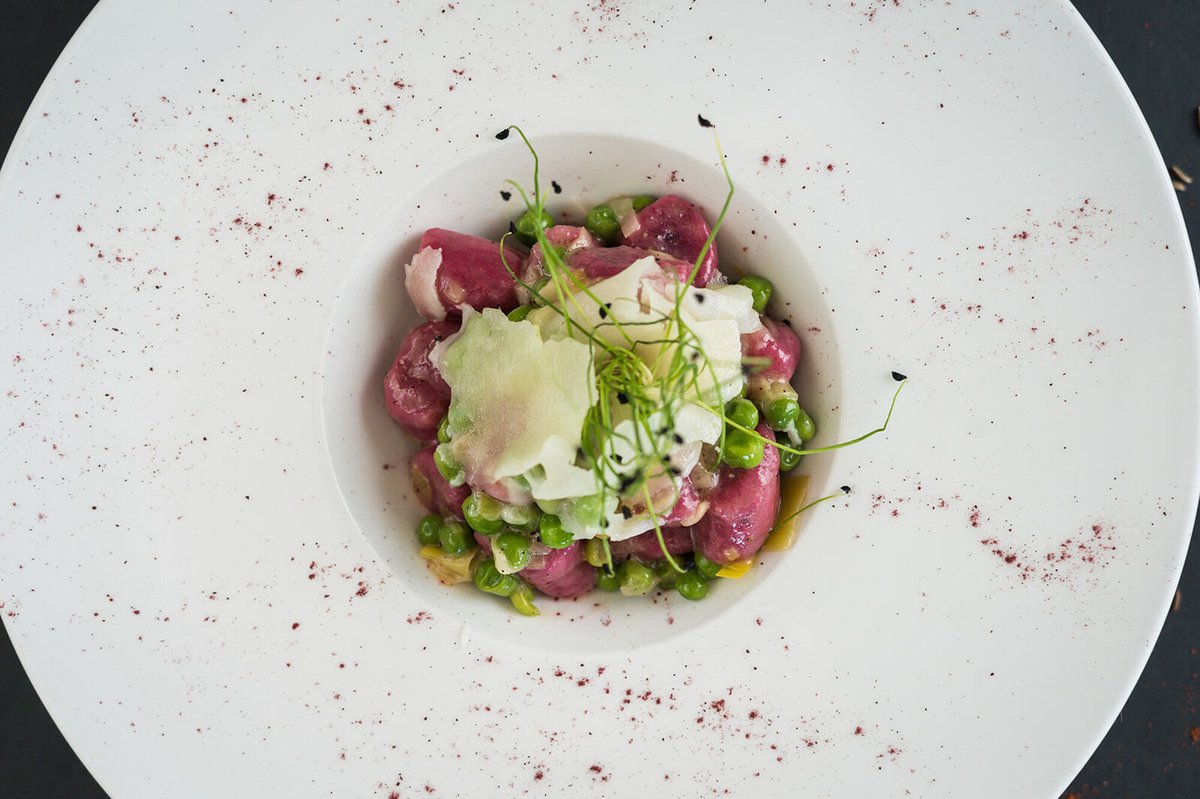
Venice, the city of canals and romance, often conjures images of gondolas and grand palaces. But beyond the well-trodden paths lies a gastronomic world fiercely proud of its heritage: Authentic Local Venetian Cuisine. It's a culinary journey distinct from the broader Italian narrative, forged by centuries of trade, unique geography, and an unwavering commitment to the bounty of its lagoon and surrounding lands. If you’ve ever felt like you’re missing something beyond the standard pizza and pasta, you’re right—the true taste of Venice is waiting for you.
At a Glance: Your Guide to Genuine Venetian Eating
- Beyond Pasta: Venetian cuisine prioritizes rice (risotto), polenta, and fresh local seafood over heavy pasta dishes.
- Lagoon's Larder: Expect unique local catches like gò (goby fish), moleche (soft-shell crabs), and schie (small lagoon shrimp).
- Jewish Influence: A historical cornerstone, evident in dishes like pesce in saor and alla giudia preparations.
- Cicchetti Culture: Embrace the Venetian tapas experience at bacari for affordable, authentic small bites and local wine.
- Seasonal Eating: Ingredients dictate the menu; fresh castraure artichokes in spring, hearty game in autumn.
- Spotting Fakes: Avoid restaurants with multilingual menus with photos, aggressive touts, and prix fixe tourist deals.
- Wine Country: Veneto is a leading DOC wine producer, famous for Prosecco, Soave, Valpolicella, and Amarone.
- The Spritz Origin: The iconic aperitif has its roots right here in Venice, with Select being the original bitter.
The Soul of Venetian Cuisine: A History on a Plate
Unlike the rich, butter-laden dishes of Northern Italy or the tomato-heavy fare of the South, Venetian cuisine stands apart. Its centuries-long history is a testament to its strategic position as a maritime republic, blending influences from the East, the nearby Slavic lands, and a significant Jewish community. Food isn't just sustenance here; it's a central pillar of culture, deeply tied to family, tradition, and the changing seasons.
The region's geography further divides its culinary identity into coastal, plains, and mountain categories, each contributing unique flavors. The Jewish Ghetto, established in Venice in the 16th century, left an indelible mark on local culinary practices, introducing preparations like pesce in saor (marinated fried fish), various salt cod recipes, and specific almond and puff pastries. Even the term alla giudia—locally referring to a simple tomato sauce—speaks volumes about this interwoven history.
Core Ingredients: The Building Blocks of Flavor
Understanding what defines Venetian food starts with its foundational ingredients. You'll find these staples woven through almost every traditional dish:
- Polenta: More than just a side dish, polenta is a culinary canvas. Venetian polenta is typically made from finely ground corn, creating a creamy, pudding-like consistency, far different from the coarser varieties found elsewhere in Italy. Keep an eye out for polenta bianca, made from the delicate biancoperla cornmeal, a specialty that perfectly complements seafood.
- Seafood: Given its lagoon setting and Adriatic access, seafood reigns supreme in coastal Venice. Expect to encounter unique local species like the flavorful goby fish (gò), the seasonal delicacy of soft-shell crabs (moleche), and tiny, sweet lagoon shrimp (schie). Cuttlefish (seppie) are also incredibly popular, often prepared with their own ink (nero di seppia).
- Meat: While seafood dominates the city, the surrounding Veneto plains and mountains offer a rich meat tradition. Grilled meats—pork, beef, chicken—are common. In the mountains, pork and game meats feature prominently. Duck meat is frequently used in rich ragù sauces, and fegato alla veneziana (veal liver with onions) is a quintessential Venetian classic. Don't be surprised to find less common meats like horse (pastissada de caval) or donkey (spezzatino di musso) in regional specialties, reflecting a resourceful, historical approach to dining.
- Pasta & Rice: Though pasta is Italian, Venice often leans towards fresh, handmade varieties like bigoli (thick, whole wheat spaghetti-like strands, often compared to udon) and filled pastas such as ravioli and tortelli. However, rice often takes center stage. Risotto is incredibly popular, utilizing the local Riso Vialone Nano variety, and incorporating diverse ingredients from vegetables and mushrooms to seafood and game.
- Legumes & Vegetables: Simple yet vital, beans and peas are common. Pasta e fagioli (pasta and beans) and risi e bisi (rice and peas) are comforting, hearty examples. The Veneto region also boasts an array of high-quality vegetables, including the prized red radicchio from Treviso, delicate white asparagus from Bassano del Grappa, and the tiny, tender baby artichokes (castraure) from Sant’Erasmo island.
- Cheeses: While less celebrated than some other Italian regions, Veneto produces excellent cheeses like Piave and Asiago, with cow milk cheeses being prominent in mountain areas.
- Seasonings: Local flavors are enhanced by butter, olive oil, and sometimes even sunflower oil. Pungent kren (horseradish) and senape (mustard) add a kick, while mostarda (candied fruit in a mustard-flavored syrup) offers a sweet-savory contrast, and salsa verde brings fresh herb notes.
A Taste Tour: Iconic Venetian Dishes to Savor
To truly experience Authentic Local Venetian Cuisine, you must dive into its signature dishes. While Venice proper offers its unique flavors, the surrounding towns and landscapes of the Veneto region contribute equally vital culinary traditions.
From the Venetian Lagoon to Your Plate
- Bigoli in salsa: A must-try pasta dish featuring thick bigoli generously coated in a rich sauce made from anchovies and onions. It’s savory, deeply flavorful, and incredibly satisfying.
- Fegato alla veneziana: Thinly sliced veal liver quickly cooked with sweet, caramelized onions. A classic that showcases the Venetian preference for balancing rich flavors.
- Moleche: A seasonal delicacy. These are soft-shell crabs caught during their molting phase, typically fried until crisp and often served with polenta. Pure lagoon magic.
- Polenta e schie: Delicate fried lagoon shrimp served atop creamy, usually white, polenta. A simple dish that highlights the sweetness of the local catch.
- Risi e bisi: More than just rice and peas, this dish is a creamy, soupy risotto (often considered a minestra) traditionally eaten in May when fresh peas are abundant.
- Risotto di gò: A distinctive risotto made with the broth of the local goby fish, offering a subtle, refined seafood flavor.
- Sarde in saor: Fried sardines marinated in a sweet and sour mixture of vinegar, onions, pine nuts, and raisins. This dish, a legacy of Venetian trade, preserves fish and bursts with complex flavors.
- Seppie al nero: Cuttlefish cooked in its own ink, resulting in a dramatic black dish with a uniquely intense seafood flavor, often served with white polenta.
Beyond the Lagoon: Regional Highlights
As you venture further into the Veneto, the cuisine shifts, offering diverse delights:
- Verona & Surrounding: Here, robust meat dishes and Amarone wine-infused preparations take center stage. Try Brasato all'Amarone (braised beef with Amarone wine), Pastissada de caval (horse stew), or Risotto all'Amarone. For a truly local experience, Lesso e pearà offers boiled mixed meats with a rich, peppery breadcrumb sauce.
- Vicenza: This area is famous for Baccalà alla vicentina, a preparation of salt cod that is slow-cooked until incredibly tender and creamy, often served with polenta.
- Padua & Treviso: Known for heartier fare, you’ll find Bigoli co' l'arna (bigoli with duck sauce), Oca in onto (marinated goose), and Porchetta trevigiana. Treviso is also the home of the famed red radicchio, often simply grilled (Radicchio alla griglia).
Sweet Endings: Venetian Desserts & Delights
No culinary journey is complete without something sweet. Veneto offers a delightful array of pastries and desserts, many tied to specific festivals or seasons.
- Tiramisu: While its exact origins are debated, Treviso is often credited with the invention of this world-famous coffee-soaked, mascarpone-layered dessert.
- Baicoli: Thin, crisp, twice-baked butter and vanilla biscuits, traditionally served with coffee or sweet wine.
- Frìtola: A beloved fried dough fritter, especially popular during Carnival season, often studded with raisins or apples.
- Galàni: Also known as Chiacchiere or "angel wings," these are light, crisp, fried pastries, dusted with powdered sugar, another Carnival staple.
- Pinza: An Epiphany cake made with cornmeal, dried fruits, and nuts, embodying warmth and tradition.
- Zaeti: Rustic cornmeal biscotti, often flavored with raisins and lemon zest.
You'll also find delightful nougat (mandorlato), and for Christmas, the iconic Nadalin (the predecessor to Pandoro) and Pandoro itself. During Easter, the sweet bread Focaccia veneta makes an appearance.
Raise a Glass: Wines & Drinks of the Veneto
Veneto isn't just a culinary powerhouse; it's a prominent wine region. It's the most populous DOC (Denominazione di Origine Controllata) wine producer in the Tre Venezie region, boasting an impressive output of both white and red wines.
- Celebrated Venetian Wines:
- Prosecco: The world-renowned sparkling wine, primarily from the Glera grape, is a staple aperitif and celebration drink.
- Soave: An elegant white wine made predominantly from the Garganega grape, known for its almond and floral notes.
- Valpolicella & Amarone: These iconic reds come from the warmer areas around Verona. Valpolicella is often lighter and fruitier, while Amarone della Valpolicella is a rich, full-bodied red made from partially dried grapes, offering incredible depth and complexity.
- Bardolino: A lighter-bodied, easy-drinking red from the shores of Lake Garda.
- Dorona Wine: Seek out this rare and unique white wine produced from an ancient grape variety cultivated on the island of Mazzorbo, within the Venetian Lagoon itself. It's a taste of Venice's living history.
The Iconic Spritz: Venice's Aperitivo Tradition
No discussion of Venetian drinks is complete without the Spritz. This vibrant, wine-based cocktail is the quintessential Venetian aperitif. Originating in Venice around 1920, the original spritz veneziano was crafted with Select, a slightly bitter liqueur. Today, popular variants include Aperol spritz (sweeter) and Campari spritz (more bitter), mixed with Prosecco and a splash of soda water. It's a low-alcohol, refreshing drink perfect for unwinding as the sun sets over the canals.
Beyond the Menu: Experiencing Authentic Venetian Cuisine Like a Local
Eating truly authentic food in Venice means stepping away from the main tourist arteries and embracing local customs. It's about more than just what you eat; it's about how you eat.
The Sacred Bacari & Cicchetti Ritual
If there’s one non-negotiable experience for authentic dining, it's visiting a bacaro (plural: bacari). These are true Venetian social institutions, modest taverns where locals gather for cicchetti (small plates) and ombra (a small glass of wine).
- What to Expect: Bacari typically feature zinc counters laden with an ever-changing display of freshly prepared cicchetti. There's often no printed menu; you simply point to what looks good. Prices are incredibly local-friendly, usually €1.50-4.00 per piece, making it an ideal way to sample a variety of flavors without breaking the bank. The atmosphere is casual, often standing-room-only, encouraging lively social interaction.
- Classic Cicchetti: Look for baccalà mantecato (creamed cod spread on bread), sarde in saor (marinated sardines), polpette (meatballs), and seasonal vegetable preparations. Each bacaro will have its own specialties.
- The Ombra Tradition: The word ombra literally means "shadow." This tradition dates back to wine vendors who would keep their barrels cool by moving them throughout the day, following the shadow of the San Marco campanile. A small glass of house wine is the perfect accompaniment to your cicchetti.
- Bacari Hopping: The best way to enjoy cicchetti is to "hop" from one bacaro to another, sampling a few bites and an ombra at each. It’s a fantastic way to experience Venice’s vibrant local life. For a deep dive into these local treasures, discover Where locals eat in Venice.
A Glimpse Behind the Scenes: The Rialto Fish Market
To truly understand Venetian cuisine, you must visit the Rialto Fish Market (Pescheria). Open Tuesday to Saturday mornings, this spectacular market is a bustling hub that offers an incredible insight into the city's food culture.
You’ll find an impressive array of local catches from the Venetian Lagoon and Adriatic Sea. This is where chefs and home cooks source their ingredients. Look for unique lagoon species like go’ (goby fish), moleche (soft-shell crabs, when in season), and branzino (sea bass). Beyond seafood, the adjacent produce section offers regional agricultural gems, including the famous castraure (baby artichokes) from Sant’Erasmo island and the distinctive Treviso radicchio. It’s a feast for the senses and a powerful reminder of Venice’s connection to its natural surroundings.
Finding Your Table: Traditional Osterie and Trattorie
While bacari are perfect for casual bites, for a more substantial meal, seek out traditional osterie and trattorie. These establishments are the heart of Venetian dining, often run by generations of the same family, preserving time-honored recipes.
- Authenticity Markers: True osterie and trattorie pride themselves on seasonal menus that reflect what’s available at the market that day. You’ll often find them handwritten, sometimes only in Italian. The atmosphere is typically intimate and unpretentious, catering to local families and workers rather than fleeting tourists.
- Value for Money: Venture into less-trafficked sestieri (districts) like Cannaregio or Castello, away from San Marco and Rialto, and you can often find prices 30-50% lower than in tourist-focused areas without sacrificing quality. For those looking for the real deal, exploring Authentic Venetian Osterias is a key step.
Spotting a Tourist Trap from a Mile Away
Unfortunately, Venice has its share of culinary pitfalls designed to separate tourists from their money without delivering an authentic experience. Here's how to spot them:
- Multilingual Menus with Photos: A big red flag. Authentic establishments let the quality of their food speak for itself.
- Aggressive Touts: Restaurants with staff trying to pull you in from the street are generally best avoided.
- Prime Tourist Locations: While there are exceptions, establishments directly adjacent to major attractions (St. Mark's Square, Rialto Bridge) often prioritize volume over authenticity.
- Identical Menus: If you see the exact same menu posted outside multiple restaurants in a tourist area, you're likely looking at mass-produced food.
- Prix Fixe Tourist Menus: While not inherently bad, these often feature generic dishes designed to appeal to everyone, rather than specific Venetian specialties.
Trust your instincts. If a place feels overly slick, impersonal, or too convenient, it probably is.
The Rhythm of the Seasons: Eating with the Calendar
Venetian cuisine is deeply rooted in seasonal availability. Eating in tune with the calendar is not just traditional, it’s essential for experiencing the freshest, most flavorful dishes.
- Spring (March-May): This is the time for delicate castraure (baby artichokes) from Sant’Erasmo island. Fresh peas make risi e bisi a seasonal highlight in May.
- Summer (June-August): Lighter preparations of diverse seafood are prominent, along with fresh vegetables and fruits.
- Autumn (September-November): Game meats begin to appear on menus, alongside wild mushrooms and the first of the season’s radicchio from Treviso. Heartier soups and stews become more common.
- Winter (December-February): Warming dishes take precedence. Expect preserved fish like baccalà, root vegetables, and heartier pasta preparations. Carnival season brings special fried pastries like frìtola and galàni.
By seeking out seasonal ingredients, you’re not just eating fresh; you’re participating in a centuries-old tradition.
Diving Deeper: Learning to Cook Venetian
For those who want to bring a piece of Venice home, consider a culinary learning experience. Many local chefs and passionate home cooks offer hands-on cooking classes. These often begin with a visit to a local market, followed by preparing several traditional dishes, offering a deeper insight into the techniques and philosophy behind Venetian cooking. From mastering sarde in saor to perfecting a creamy risotto, these workshops are invaluable. You might also find specialized demonstrations or workshops focused on artisanal food producers within the Veneto region.
Support Local, Savor Authenticity
Choosing restaurants that source their ingredients locally is more than just a trend; it's a vital act in Venice. It supports the traditional fishing and farming communities that keep this unique ecosystem alive, ensures the freshest possible ingredients on your plate, and helps preserve the distinctive culinary character and living heritage of Venice. When you dine authentically, you're not just enjoying a meal; you're investing in the future of one of the world's most enchanting cities. To find establishments that truly embrace this philosophy, you'll want to Explore traditional Venetian restaurants that prioritize quality and tradition.
Your Culinary Map to Real Venice
Navigating Venice's culinary landscape can feel daunting, but with this guide, you’re now equipped to bypass the tourist traps and uncover the genuine flavors of this incredible city and its surrounding region. From the bustling energy of a bacaro to the quiet charm of a family-run osteria, the real Venice reveals itself not just through its iconic sights, but profoundly through its food. Be adventurous, trust your palate, and most importantly, enjoy the journey. Your taste buds are about to discover a Venice far richer and more delicious than you ever imagined.